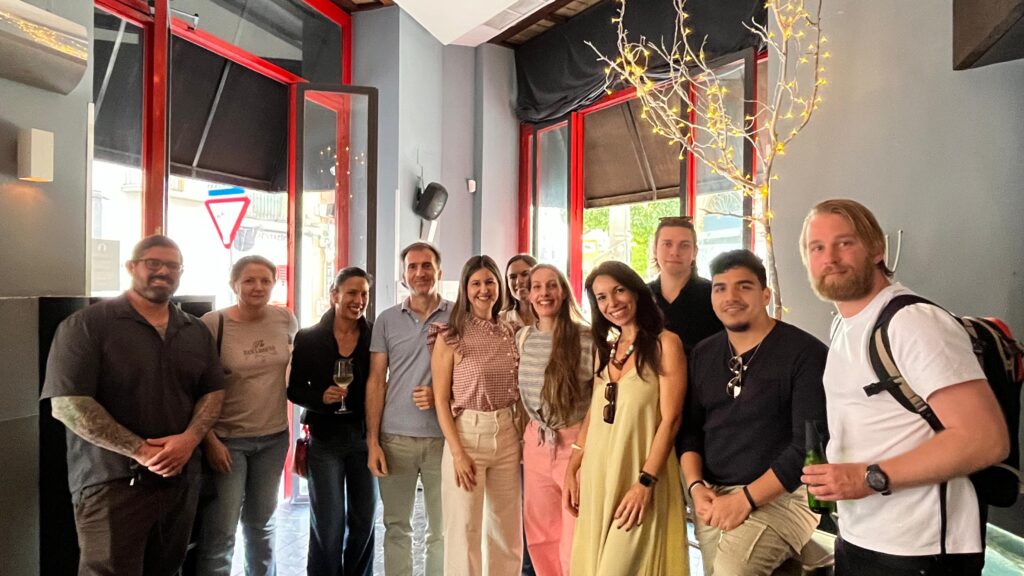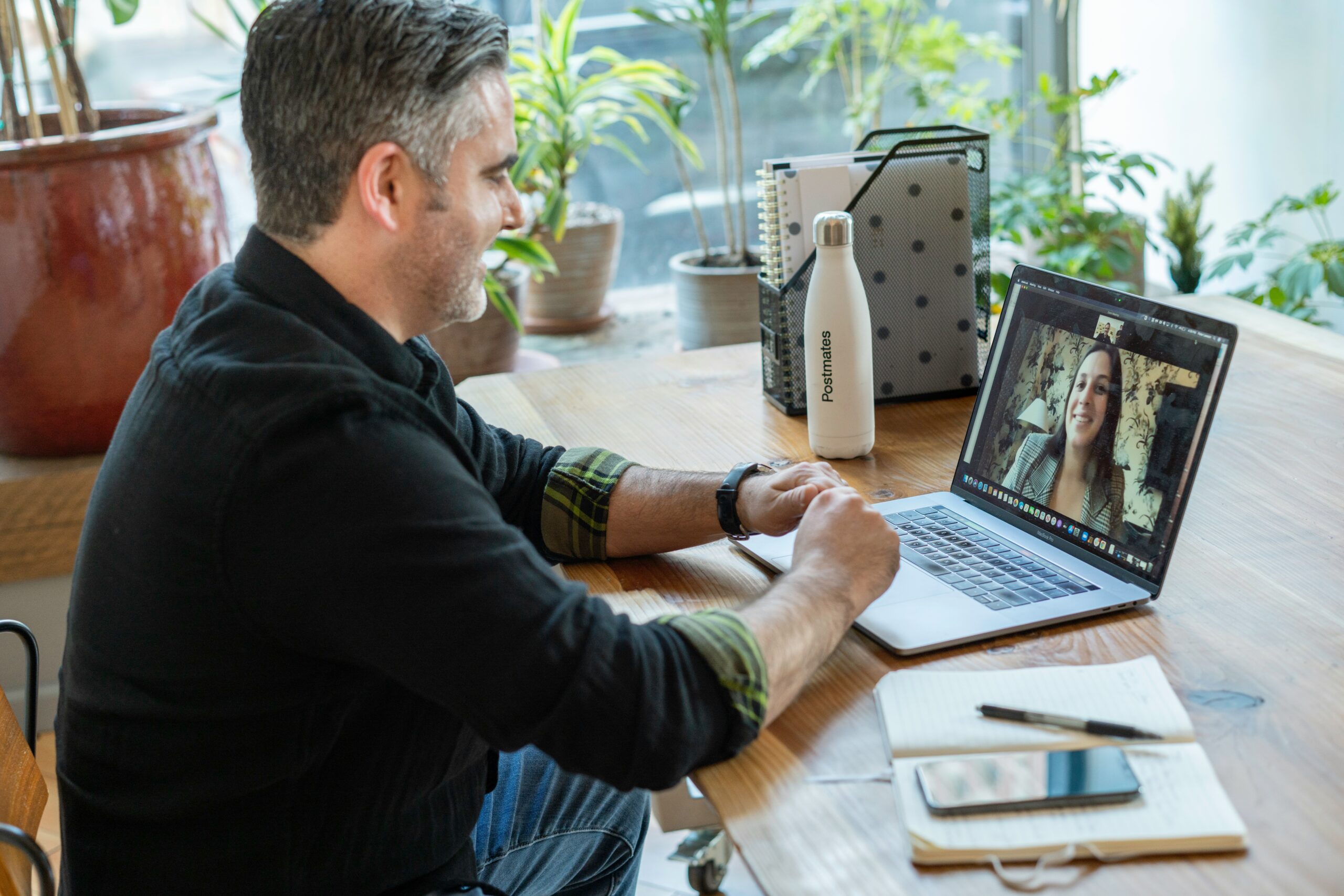
Every month, Grow Remote brings local leaders together for a Collaboration Session – a space for the volunteers behind our community events to share mutual challenges, swap ideas and celebrate the collective impact they are creating on the ground. These sessions hold a regular spot in the calendar for the people doing the consistent grassroots work in their towns and villages. The theme for this month was “Reading the Room”.
This refers to the skill of noticing what is happening in a room of remote workers at a Grow Remote meetup. It’s all about facilitation and the process of gently shaping an experience so that everyone feels included. This month, local leaders from right across Ireland joined the call. We had chapters represented from Galway, Skerries, Gorey, Kilkenny, Macroom, Castlerea, Cork City, Lusk, Greystones, Kinsale, Kilmuckridge, Wexford, Tralee, and Kinsale. So much tenure in the room and so much wisdom to draw from.
The session also marked a farewell to Dónal Kearney, our outgoing Head of Programmes, after nearly five years with Grow Remote. Dónal started in 2021 as Community Facilitator and held the role of Community Manager from 2022 – 2025. In that time, the community has emerged from the Covid-19 pandemic; from zero offline events to an average of 300 social meetups per year, all led by and for remote employees nationwide. Although he is leaving the Grow Remote team, Dónal will stay on as a local leader in his hometown of Skerries.
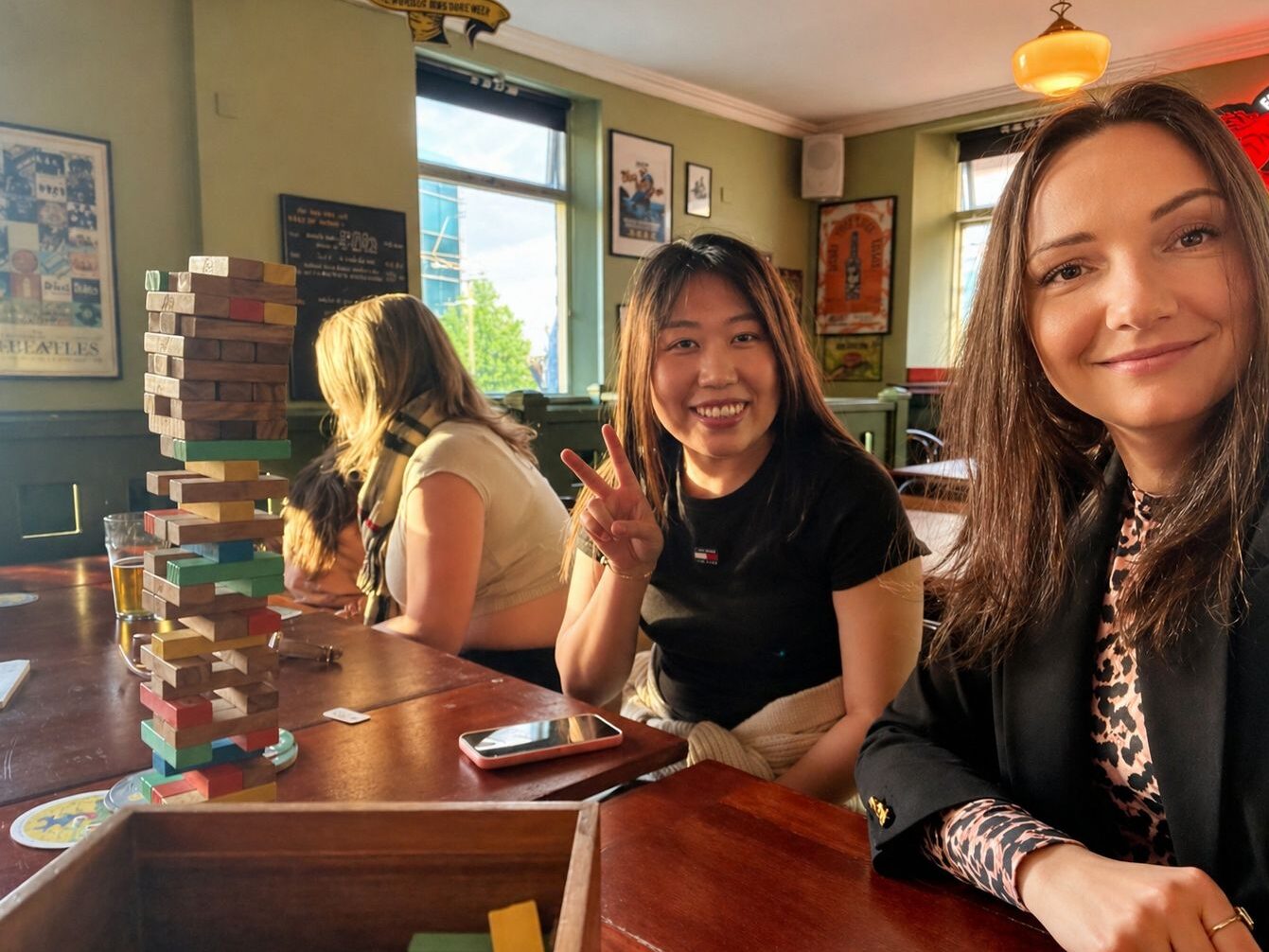
Four Scenarios
The core of the session saw our local leaders breaking into smaller groups to work through four common situations that arise when hosting a local event:
- Scenario 1 – The Shy Newcomer: Someone is standing alone checking their phone while everyone else is chatting in groups.
- Scenario 2 – The Dominator: One person is talking loudly and taking over every conversation circle.
- Scenario 3 – The Energy Drop: Halfway through the event, energy feels flat and conversations are slowing.
- Scenario 4 – The Closed Circle: Three established community members are deep in conversation and unintentionally blocking newcomers from joining.
What would you do in these scenarios? Well, the local leaders shared 10 insights in this month’s Collaboration Session.
1. Open with “What brought you here tonight?” — Dónal (Skerries)
Scenario 1: Dónal’s favourite opener gives newcomers space to share their story without feeling interrogated. It allows the host to understand more about the need that is being met and allows the conversation to flow organically. It is useful for a local leader because it can help to facilitate introductions and thematic conversations. Mary in Castlerea said she would be stealing it!
2. Use universal topics to break the ice — Kitti (Gorey)
Scenario 3: When the energy dips, Kitti reaches for what everyone can relate to: the weather, the commute, where people have moved from. In a community like Gorey, where many attendees have recently relocated from Dublin, common-ground topics quickly become real conversations.

3. Keep prompts in your back pocket — and pull out the camera — Liam (Kilkenny)
Scenario 3: Liam recommended having a handful of light questions ready (“any plans for the holidays?”) before you walk in the door. And if the room flattens, he suggested using the moment to annoucne a group photo or short video. Sometimes it can be awkward to interrupt conversations to ask for a photograph. Doing so can lift the room’s energy, gets people laughing, and gives an excuse for people to move around. It also gives the Grow Remote team something to share on socials. As host, your key role is to facilitate a positive experience for all so another good idea is to invite people to start chatting to someone new after the photo – it’s a good cadence to freshen up the group.
4. Pay attention to where people are sitting — Rachel (Greystones)
All Scenarios: Rachel pointed out how curved pub seating can accidentally trap people on the edges of the conversation. As host, you can get hemmed in too. The fix is simple: stand up, take a group photo, and don’t sit back down in the same spot. She also reminded us of the long game – an attendee from her chapter’s relaunch event came back more than a year later for a co-working meetup. Community-building is a slowburn!
5. The format of the event shapes who shows up — Mary (Castlerea)
All scenarios: A cookery workshop attracts a different attendee than a pub social. Some people show up for the activity, not the group – and that is okay. The lesson is resilience: a one-off attendee is not a reflection on the community. From experience, the group spoke about the fact that the word-of-mouth notoriety can often be strong due to consistency and high quality of experience. But it doesn’t always mean people can come back every time!
6. Pair a newcomer with a regular — Anna (Galway)
Scenarios 1 and 4: We all know how risky it can feel to attend a new group, especially when you might be naturally shy or introverted. Anna suggested a simple buddy system: at the start of the event, partner each new face with a regular who can act as their “insider”. It is a small intervention that prevents anyone from drifting to the edge but gives a safety net for that newcomer.
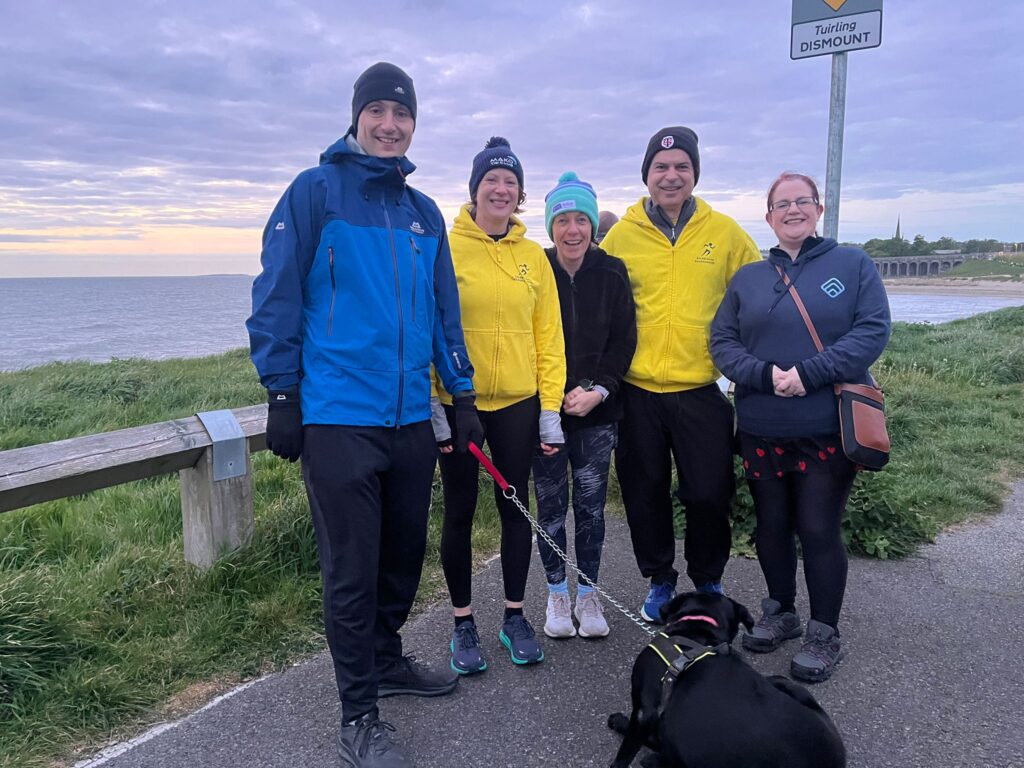
7. Inclusion is the keyword — Anna (Kilmuckridge)
Scenario 2: The work of a host is to make sure everyone in the room has a way into the conversation, not just the loudest voice. The host’s role is to make sure everyone feels included. This can mean gently bringing people into the room, carefully interrupting someone who is dominating the conversation, and even taking a talkative attendee aside to allow for other conversations to spring up in their absence. This early intervention can be enough to rebalance the conversational energy for the rest of the evening.
8. Watch the body language — Nuria (Cork City)
Scenario 2: Nuria pointed out the early signals that a dominator is becoming a problem: faces that don’t look happy, people looking away, attendees quietly drifting into smaller groups. It’s the hosts role to read those signals before the energy leaks out of the room and intervene in an upbeat, positive way. The worst thing the host can do is avoid the problem. That said, sometimes good facilitation means letting a scenario play out. It’s all about interpreting the energy and relies on your own position as “host” – it’s your party and people will expect you to take the lead so don’t be shy about intervening.
9. Redirect by sparking new conversations — Ivanna (Newbridge)
Scenario 2: Ivanna shared her own playbook for handling a dominator: gently ask questions of other people in the circle, starting fresh conversations that include everyone. It might take more than one attempt over the course of the night, and that is normal. Victoria also mentioned that we should presume goodwill – often someone is talkative because they are comfortable and excited to be there. However, if the conversation takes a negative turn or becomes too much of a debate or too controversial for your taste, the local leader is entitled to move the conversation in an authorative tone on: “At Grow Remote, we don’t talk to each other like that. Let’s move the conversation on. Thank you, folks.” This can take practice, so don’t worry if it doesn’t feel natural to take that tone. Also – it’s worth saying this practically never happens in the Grow Remote community over 300 events per year!
10. Build a welcome-by-introduction culture – Laetitia & Shauna (Gorey)
In Gorey, every new face is introduced to the room. No icebreaker, no script – just a friendly announcement: “this is Shauna, she’s new, Shauna do you want to introduce yourself?” When that becomes the cultural norm, the closed-circle problem rarely takes root because people get the chance to introduce themselves as peers. It reduces the in-group / out-group dynamic by prioritising inclusion from the outset.
We’re currently welcoming Local Leaders!
Trust, as Dónal said on the call, is the key currency at the local level. It is built one conversation at a time. If you want to make this kind of impact in your own community, we welcome new local leaders every month. Register for our next info session here.