Ireland has a proud history of making bold, strategic choices that reshape our economy – from the establishment of IDA Ireland in 1949 to the creation of Enterprise Ireland and the Local Enterprise Offices in later decades. Today, we face another such moment. Remote work is no longer an experiment borne out of necessity. It is a transformative force shaping economies, communities, and lives.
Grow Remote’s Pre-Budget Submission 2026 calls on government and policymakers to keep remote work at the centre of Ireland’s economic and social strategy. By embracing it as a fourth pillar of employment – alongside Foreign Direct Investment (FDI), indigenous enterprise, and agriculture – we can create high-quality jobs, strengthen communities, and deliver on Ireland’s climate commitments.
You can read and download the full submission at the bottom of this blog.
A National Strategy for Remote Jobs
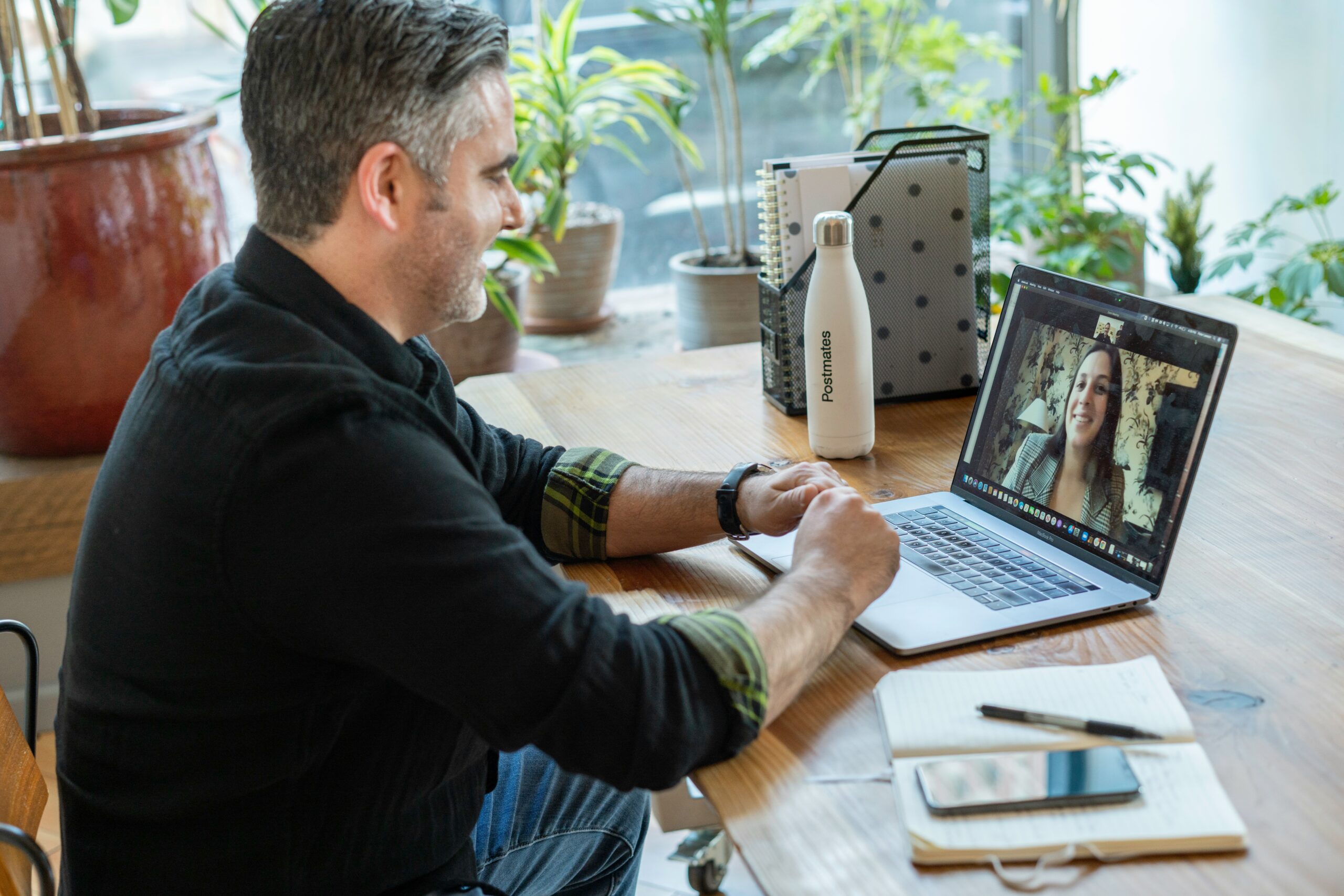
Remote employment is already reshaping the global labour market. Over 100,000 remote jobs are advertised monthly across Europe, yet Ireland has no national strategy to attract a share of them. Research shows that up to 350,000 existing jobs in Ireland could be done remotely if the right supports were in place.
Grow Remote recommends the creation of national targets for remote job creation, embedded in Ireland’s enterprise and regional development strategies. This would mirror the approach taken with FDI, ensuring Ireland competes globally to land locationless roles.
The economic potential is striking: every 1,000 remote jobs attracted to Ireland could generate €20 million in GDP and €10.8 million in additional tax revenue per year. Even securing just 10% of Europe’s available remote roles could mean more than €100 million annually in tax revenue, alongside the benefits of more resilient and diversified communities.
Supporting Employers to Thrive
Remote work doesn’t just benefit employees – it strengthens Irish businesses too. Employers who embrace distributed models report higher productivity, lower attrition, and improved access to talent.
Yet too many businesses (particularly SMEs, who make up over 70% of Ireland’s private sector) still lack the skills and systems to make the transition successfully. That’s why Grow Remote is calling for a National Remote Work Skills Training Plan.
This plan would build on Ireland’s existing training programmes (already the largest state-funded remote work training scheme in Europe) and scale them to meet demand. Training would target managers, employees, and career changers alike, with modules on leadership in distributed teams, digital collaboration, personal productivity, and finding remote jobs.
The estimated cost to pilot this plan in 2026 is €1 million, which is a modest investment to equip Irish businesses for the future of work and strengthen our position internationally as a remote work leader.
Strengthening Local Communities
Remote work’s impact goes far beyond the workplace. It reshapes daily life by reducing commuting, freeing up time, and putting more money into local economies. On average, each remote worker saves €6,000 per year, much of which is reinvested locally. Research shows that for every local job created, an additional 0.7 jobs emerge indirectly, meaning 10,000 remote workers could generate 7,000 new local jobs.
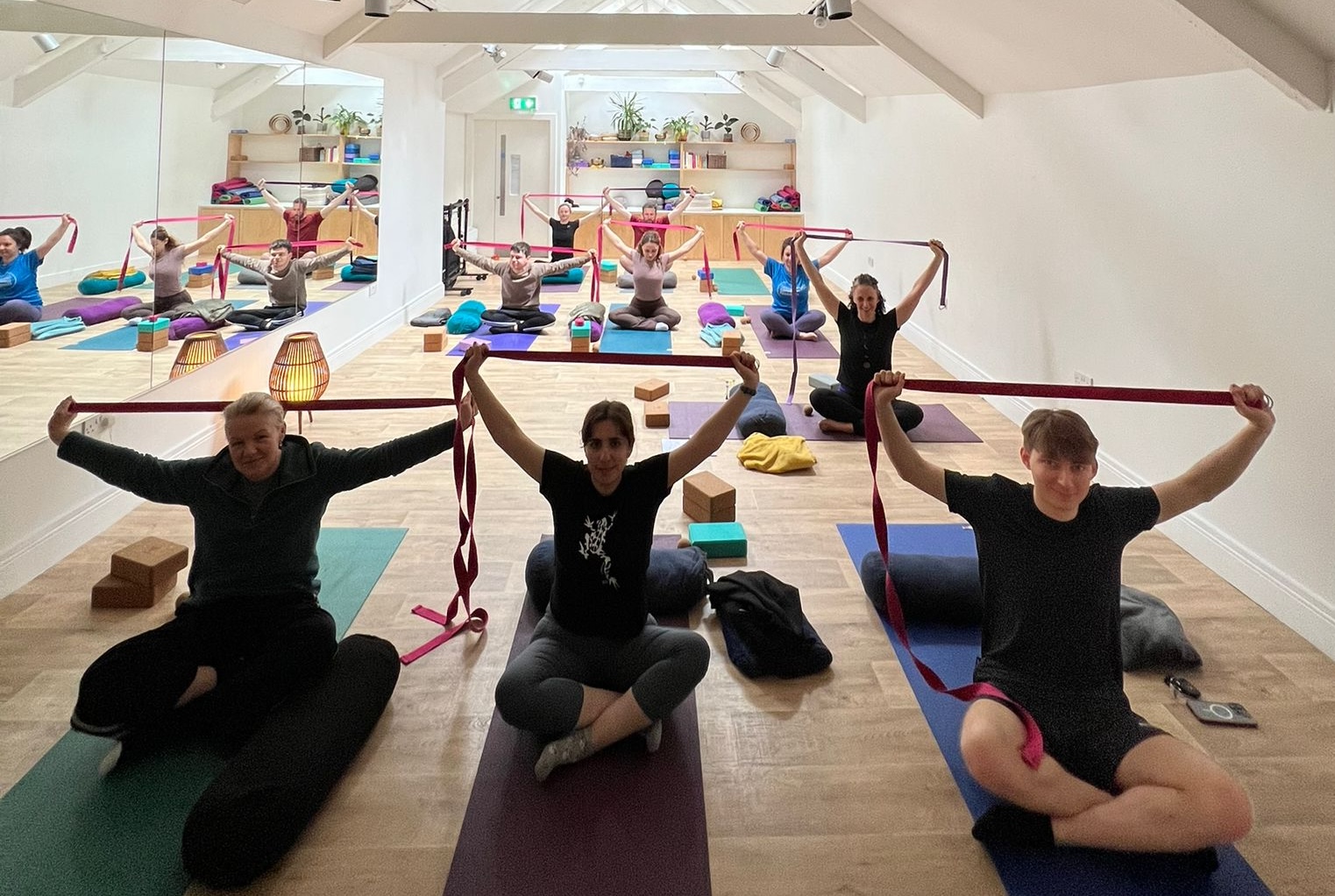
Grow Remote has already seen this impact first-hand. Since 2018, our volunteer-led local chapters have hosted over 850 events across 150 communities, connecting over 6,000 remote workers to each other and their towns. More than 90% of attendees surveyed report improved wellbeing and reduced isolation, while over 70% say they feel more connected to their local area.
To unlock this potential at scale, Grow Remote recommends a €450,000 annual investment to support over 500 local events nationwide, engaging around 5,000 remote workers per year. Every euro spent here has been shown to generate €3.80 in social value, creating stronger, healthier, and more vibrant communities.
Why This Matters Now
Remote work is not a temporary COVID-era solution. It is a long-term economic and social strategy that Ireland must embed into all future planning.
- Economic: It creates jobs that aren’t tied to location, diversifies our labour market, and strengthens resilience against global shocks.
- Social: It expands access to quality employment for carers, disabled people, and those in rural or low-opportunity regions.
- Environmental: By cutting commutes, remote work could save 164,000 tonnes of CO₂ annually, supporting Ireland’s climate goals.
But momentum is at risk of slowing and Ireland risks losing the opportunity to become the outstanding leader at the international level.
Ireland Can Be A Global Leader
Remote work has the power to reshape Ireland’s economy, communities, and environment for the better, but only if we seize the moment. With clear national targets, strong employer supports, and community investment, Ireland can cement its place as a global leader in the future of work.
Grow Remote’s Pre-Budget Submission 2026 sets out a bold but achievable roadmap. The roles exist. The talent is here. Now we need the strategy to connect them.
Click below to download Grow Remote’s Pre-Budget Submission 2026.